Complaints Procedure for Commercial Waste Norwood Services
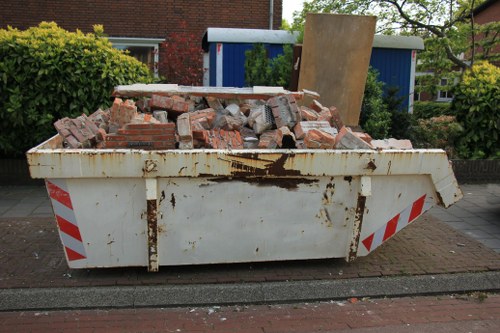 Purpose: This complaints procedure explains how businesses and organisations can raise concerns about commercial waste collection and rubbish services in the Norwood service area. It applies to all aspects of commercial waste management, including collection frequency, missed collections, contamination handling and customer service interactions. The aim is to deliver a clear, fair and timely process that promotes trust in local commercial rubbish services while ensuring issues are resolved efficiently. All complaints will be treated seriously and handled impartially.
Scope: This protocol covers complaints relating to commercial waste contracts, service delivery, and the behaviour of operational staff. It also includes concerns about waste disposal practices and breaches of agreed service standards. The procedure does not provide contractual remedies directly but outlines how we investigate and respond, and how complainants can seek further review.
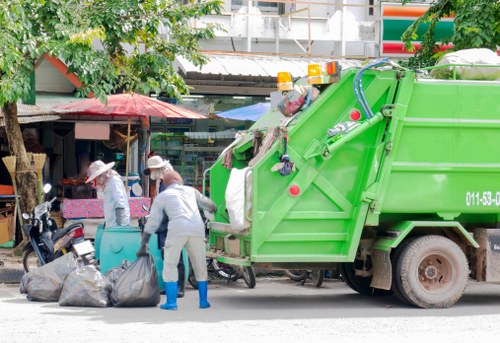 How to submit a complaint: Complaints should be submitted in writing or via the official service channels associated with the commercial waste provider. Provide a concise description of the issue, relevant dates, and any supporting evidence such as photos or service records. Please include the business name and the nature of the commercial waste account so the case can be identified quickly. A clear record of the complaint helps to speed up the review and prevents miscommunication.
Acknowledgement and Initial Assessment
Upon receipt of a complaint, an automatic acknowledgement will normally be issued within a short timeframe. This acknowledgement confirms that the matter has been logged and indicates the expected timescale for a substantive response. During the initial assessment we will determine whether the complaint relates to collection operations, billing, policy, or contractor conduct, and allocate the case to the appropriate team. Priority will be given to complaints that pose environmental, health or safety risks.
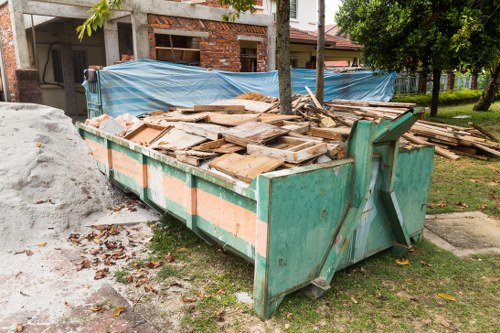 Investigation process: Investigations are conducted in a structured manner. The investigator will review service logs, route records and any photographic evidence, and may contact on-site staff or third-party contractors where appropriate. The process aims to establish facts and identify corrective actions. Investigations strive to be thorough yet proportionate so that outcomes are reached within stated timelines.
Typical steps in the investigation include:
- Logging and categorising the complaint.
- Gathering operational records and witness statements.
- Assessing whether service standards or contractual terms were breached.
- Proposing corrective actions and monitoring implementation.
Resolution, Remedies and Timescales
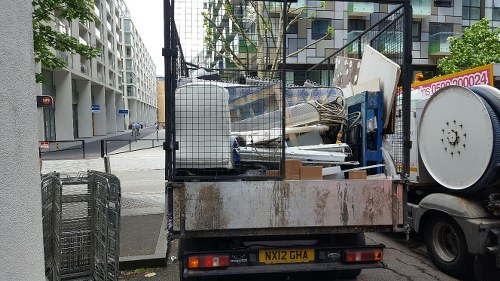 Response and outcome: Where possible, we aim to provide a substantive response within a defined period from acknowledgment. Responses include a factual summary of findings, any remedial steps taken, and proposed remedies. Remedies for commercial waste complaints may include rescheduled collections, on-site corrective visits, process changes, or remedial charges being waived when appropriate. Outcomes are recorded and communicated clearly.
If the complaint reveals systemic issues, corrective measures may include route adjustments, staff retraining, or contractor performance reviews. The emphasis is on practical solutions that prevent recurrence and maintain a reliable commercial waste collection service. Where a prompt operational fix is possible, it will be implemented while the full investigation continues.
 Escalation and review: If a complainant is dissatisfied with the initial resolution, they may request an internal review by a senior manager or an independent reviewer within the organisation. The escalation pathway is documented and includes clear timelines for review. Independent or third-party review options may also be available where internal processes do not resolve the issue to the complainant's satisfaction. The escalation process ensures transparency and accountability in the final determination.
Confidentiality and data handling are central to our complaints procedure. Personal or commercial information collected for the investigation will be used solely for the purpose of resolving the complaint and will be retained in accordance with data management policies. Records of complaints and outcomes are maintained for service improvement, audit and compliance purposes. Data protection principles are observed at every stage.
Monitoring and continuous improvement: Complaint trends are reviewed periodically to identify recurring issues and to inform service improvements. Lessons learned feed into contractor performance metrics, operational planning and customer liaison strategies. This continuous improvement loop helps ensure that the commercial waste service area evolves to meet the needs of businesses and property managers.
Final note: This complaints procedure is designed to be fair, prompt and effective for all commercial waste clients in the Norwood service area. By following this process, complainants can expect a structured investigation, clear communication and tangible outcomes that reinforce commitment to high standards in commercial waste and rubbish collection services.
