Efficient Builders Waste Clearance in Norwood: Your Comprehensive Guide

A large open-top skip bin positioned outdoors on a gravel surface, predominantly yellow with pink side panels showing signs of rust and dirt. The bin is filled with various waste items including plastic household rubbish, broken household items, textiles, and miscellaneous debris. Items such as plastic containers, fabric pieces, and broken furniture parts are visible, with some objects protruding over the top edge of the skip. Surrounding the bin are environmental elements including green shrubbery, trees in the background, and a black plastic bag on the ground nearby. The scene appears to be part of a rubbish removal process, possibly in a suburban or semi-rural area, and is associated with waste disposal services like those offered by Commercial Waste Norwood that operate in the Norwood area. The lighting indicates daylight conditions with natural light illuminating the scene clearly.

When undertaking a construction or renovation project in Norwood, managing builders waste effectively is crucial. Proper waste clearance not only ensures a clean and safe working environment but also complies with local regulations. This comprehensive guide explores the best practices, services, and benefits of professional builders waste clearance in Norwood.

Builders waste can include a variety of materials such as bricks, concrete, wood, metals, and plastics. Handling these materials responsibly is essential to minimize environmental impact and maintain the aesthetic appeal of Norwood's vibrant community.

Choosing the right waste clearance service can make a significant difference in the efficiency and success of your project. This article delves into the key considerations, services offered, and advantages of partnering with expert waste clearance providers in Norwood.

Why Builders Waste Clearance is Essential

A man dressed in casual clothing, including a light grey shirt and jeans, is walking down a modern staircase with wooden steps and a metal handrail inside a well-lit building. In his right hand, he holds a large black rubbish bag, which appears to be filled with waste materials, possibly from a home or office clearance. The background shows a minimalistic interior with white walls and clean lines, suggesting a contemporary residential or commercial property. The staircase is positioned in the foreground on the right side of the image, with the man descending towards a lower level, indicative of a rubbish removal or waste clearance scene. The environment looks tidy, and the lighting is natural, enhancing the clarity of the scene. This visual aligns with services provided by companies like Commercial Waste Norwood specializing in rubbish disposal within the Norwood area, which is part of the postal code region for this part of London.

Effective builders waste clearance is fundamental for several reasons:

  • Environmental Protection: Proper disposal of construction waste prevents pollution and reduces landfill burden.
  • Regulatory Compliance: Adhering to local waste management laws avoids fines and project delays.
  • Safety: Removing debris minimizes the risk of accidents on construction sites.
  • Project Efficiency: Streamlined waste management facilitates smoother project progression.

Understanding these benefits underscores the importance of integrating waste clearance into your construction plan.

Types of Builders Waste

A cluster of several large blue bin bags filled with waste material is stacked outside a building, positioned on a paved driveway or pavement area. The bags are made of plastic and appear to contain mixed rubbish, with some bags slightly bulging and others more tightly packed. They are situated close to a brown double wooden door with decorative paneling, along a grey stone or concrete surface. The background includes a portion of the building's exterior wall and a grey utility box or structure on the right side, indicating an urban or suburban setting. The lighting suggests daylight, highlighting the shiny surface of the plastic bags and the textured paving beneath them. This scene reflects the typical rubbish collection context managed by companies like Commercial Waste Norwood, operating in or around Norwood and south London postcodes, and aligns with local waste clearance services for builders or domestic waste disposal.

Builders waste encompasses a wide range of materials, each requiring specific handling:

  1. Brick and Concrete: Common in masonry projects, these materials are durable but heavy.
  2. Wood: Includes timber, plywood, and other wood products used in framing and furniture.
  3. Metals: Such as steel beams, aluminum fittings, and other metallic components.
  4. Plastics: From piping to insulation materials.
  5. Insulation and Drywall: Essential for building structures but produce significant waste.

Proper segregation and disposal of these materials are vital for efficient waste management.

Choosing the Right Waste Clearance Service in Norwood
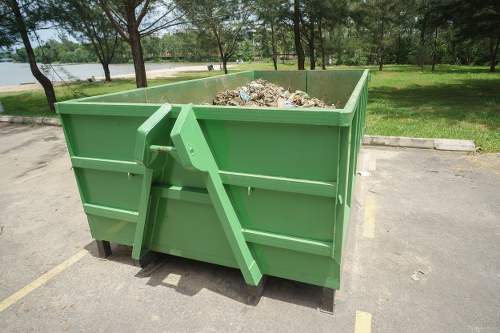
A large, green metal skip filled with mixed waste materials, including paper, plastic, and cardboard, positioned on a paved surface near a grassy area with trees in the background. The skip has a sturdy construction with a solid base, horizontal reinforcement bars, and angled sides, designed for heavy waste collection typical of builders' or commercial waste clearance. It is situated in an outdoor setting, possibly a car park or loading area, with clear natural lighting highlighting the metallic finish and the various textures of the waste within. The presence of trees and the adjacent park-like environment suggest a suburban or urban locality where rubbish removal services by Commercial Waste Norwood cover builders waste clearance in and around Norwood, offering large-scale waste containment solutions for construction or renovation projects.

Selecting a reliable waste clearance service can streamline your construction project. Consider the following factors:

  • Experience and Reputation: Look for providers with a proven track record in builders waste management.
  • Range of Services: Ensure they offer comprehensive solutions, including collection, transportation, and disposal.
  • Compliance: Verify that the service complies with all local regulations and environmental standards.
  • Pricing: Transparent and competitive pricing ensures no hidden costs.
  • Customer Support: Responsive support can address any issues promptly.

Evaluating these aspects will help you choose a service that aligns with your project needs.

Services Offered by Builders Waste Clearance Providers
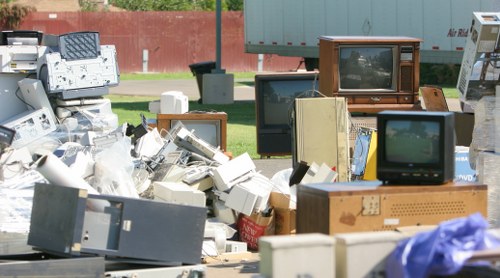
A large outdoor pile of discarded electronic waste and obsolete electronic devices, including older model televisions with wood and plastic casings, computer monitors with grey and black frames, and various other electronic components, stacking haphazardly on a paved surface. The background features a red fence and a row of trees, indicating a suburban or industrial area, possibly in or near Norwood. The waste collection appears to involve a mix of bulky items such as CRT televisions and miscellaneous electronic accessories. In the foreground, some items are partly covered by blue plastic, while others are stacked unevenly, creating a cluttered scene reflective of waste clearance activities that a company like Commercial Waste Norwood might handle when removing electronic or general rubbish from commercial or residential properties in the local area. The lighting is natural, with clear visibility of the different textures—smooth plastic, wooden casing, and metallic surfaces—highlighting the variety of materials typical in electronic waste disposal needs.

Professional waste clearance services typically offer:

  • Waste Collection: Scheduled pickups from your construction site.
  • Sorting and Recycling: Separating recyclable materials to reduce environmental impact.
  • Disposal: Safe and legal disposal of non-recyclable waste.
  • On-site Management: Assistance in managing and organizing waste on-site.
  • Consultation: Expert advice on waste reduction and sustainable practices.

These services ensure that waste clearance is handled efficiently and responsibly.

Benefits of Professional Builders Waste Clearance

A large open-top skip bin positioned outdoors on a gravel surface, predominantly yellow with pink side panels showing signs of rust and dirt. The bin is filled with various waste items including plastic household rubbish, broken household items, textiles, and miscellaneous debris. Items such as plastic containers, fabric pieces, and broken furniture parts are visible, with some objects protruding over the top edge of the skip. Surrounding the bin are environmental elements including green shrubbery, trees in the background, and a black plastic bag on the ground nearby. The scene appears to be part of a rubbish removal process, possibly in a suburban or semi-rural area, and is associated with waste disposal services like those offered by Commercial Waste Norwood that operate in the Norwood area. The lighting indicates daylight conditions with natural light illuminating the scene clearly.

Engaging professional waste clearance services offers numerous advantages:

  • Time Savings: Professionals handle all aspects of waste management, allowing you to focus on your project.
  • Cost-Effective: Avoid unexpected expenses related to improper waste disposal.
  • Environmental Responsibility: Ensure your project adheres to eco-friendly practices.
  • Enhanced Safety: Maintain a hazard-free construction site.
  • Improved Aesthetics: Keep the site clean and organized, enhancing the overall project appearance.

These benefits contribute to a smoother, more efficient construction process.

Sustainable Waste Management Practices

A man dressed in casual clothing, including a light grey shirt and jeans, is walking down a modern staircase with wooden steps and a metal handrail inside a well-lit building. In his right hand, he holds a large black rubbish bag, which appears to be filled with waste materials, possibly from a home or office clearance. The background shows a minimalistic interior with white walls and clean lines, suggesting a contemporary residential or commercial property. The staircase is positioned in the foreground on the right side of the image, with the man descending towards a lower level, indicative of a rubbish removal or waste clearance scene. The environment looks tidy, and the lighting is natural, enhancing the clarity of the scene. This visual aligns with services provided by companies like Commercial Waste Norwood specializing in rubbish disposal within the Norwood area, which is part of the postal code region for this part of London.

Adopting sustainable practices in waste management is increasingly important. Consider the following strategies:

  1. Reduce Waste: Plan your project to minimize excess materials.
  2. Reuse Materials: Identify materials that can be repurposed for other projects.
  3. Recycle: Partner with services that prioritize recycling to divert waste from landfills.
  4. Proper Segregation: Sort waste at the source to facilitate efficient processing.
  5. Use Eco-Friendly Products: Opt for materials with lower environmental impact.

Implementing these practices not only benefits the environment but can also reduce costs and improve project sustainability.

Local Regulations and Compliance in Norwood

A cluster of several large blue bin bags filled with waste material is stacked outside a building, positioned on a paved driveway or pavement area. The bags are made of plastic and appear to contain mixed rubbish, with some bags slightly bulging and others more tightly packed. They are situated close to a brown double wooden door with decorative paneling, along a grey stone or concrete surface. The background includes a portion of the building's exterior wall and a grey utility box or structure on the right side, indicating an urban or suburban setting. The lighting suggests daylight, highlighting the shiny surface of the plastic bags and the textured paving beneath them. This scene reflects the typical rubbish collection context managed by companies like Commercial Waste Norwood, operating in or around Norwood and south London postcodes, and aligns with local waste clearance services for builders or domestic waste disposal.

Compliance with local waste management regulations is essential to avoid legal issues and fines. Key regulations include:

  • Permits and Licensing: Ensure your waste clearance provider is licensed to operate in Norwood.
  • Disposal Standards: Adhere to guidelines for disposing of specific types of waste.
  • Recycling Requirements: Participate in mandatory recycling programs where applicable.
  • Reporting and Documentation: Maintain accurate records of waste disposal for compliance verification.
  • Environmental Impact Assessments: Conduct assessments if required by local authorities.

Staying informed and compliant with these regulations helps maintain project integrity and community trust.

How to Ensure Compliance

A large, green metal skip filled with mixed waste materials, including paper, plastic, and cardboard, positioned on a paved surface near a grassy area with trees in the background. The skip has a sturdy construction with a solid base, horizontal reinforcement bars, and angled sides, designed for heavy waste collection typical of builders' or commercial waste clearance. It is situated in an outdoor setting, possibly a car park or loading area, with clear natural lighting highlighting the metallic finish and the various textures of the waste within. The presence of trees and the adjacent park-like environment suggest a suburban or urban locality where rubbish removal services by Commercial Waste Norwood cover builders waste clearance in and around Norwood, offering large-scale waste containment solutions for construction or renovation projects.

To ensure your builders waste clearance practices comply with Norwood regulations:

  • Hire Certified Providers: Choose waste clearance services with the necessary certifications and licenses.
  • Stay Updated: Regularly review local waste management laws and updates.
  • Implement Best Practices: Follow industry best practices for waste reduction and disposal.
  • Conduct Audits: Periodically audit your waste management processes for compliance.
  • Educate Your Team: Ensure everyone involved understands and adheres to compliance requirements.

These steps help maintain adherence to regulations and promote responsible waste management.

Cost Factors in Builders Waste Clearance

A large outdoor pile of discarded electronic waste and obsolete electronic devices, including older model televisions with wood and plastic casings, computer monitors with grey and black frames, and various other electronic components, stacking haphazardly on a paved surface. The background features a red fence and a row of trees, indicating a suburban or industrial area, possibly in or near Norwood. The waste collection appears to involve a mix of bulky items such as CRT televisions and miscellaneous electronic accessories. In the foreground, some items are partly covered by blue plastic, while others are stacked unevenly, creating a cluttered scene reflective of waste clearance activities that a company like Commercial Waste Norwood might handle when removing electronic or general rubbish from commercial or residential properties in the local area. The lighting is natural, with clear visibility of the different textures—smooth plastic, wooden casing, and metallic surfaces—highlighting the variety of materials typical in electronic waste disposal needs.

Understanding the cost factors involved in builders waste clearance can help you budget effectively:

  • Volume of Waste: The amount of waste generated directly impacts the cost.
  • Type of Waste: Specialized waste disposal, such as hazardous materials, may incur additional fees.
  • Service Frequency: More frequent pickups can increase overall costs.
  • Distance and Transportation: The distance to disposal sites can affect transportation costs.
  • Additional Services: Extra services like on-site sorting or consulting may add to the price.

By understanding these factors, you can make informed decisions and manage your budget more effectively.

Tips to Reduce Waste Clearance Costs

A large open-top skip bin positioned outdoors on a gravel surface, predominantly yellow with pink side panels showing signs of rust and dirt. The bin is filled with various waste items including plastic household rubbish, broken household items, textiles, and miscellaneous debris. Items such as plastic containers, fabric pieces, and broken furniture parts are visible, with some objects protruding over the top edge of the skip. Surrounding the bin are environmental elements including green shrubbery, trees in the background, and a black plastic bag on the ground nearby. The scene appears to be part of a rubbish removal process, possibly in a suburban or semi-rural area, and is associated with waste disposal services like those offered by Commercial Waste Norwood that operate in the Norwood area. The lighting indicates daylight conditions with natural light illuminating the scene clearly.

Implementing cost-saving strategies can help manage your waste clearance budget:

  1. Plan Efficiently: Anticipate waste generation and plan for appropriate clearance schedules.
  2. Minimize Waste: Use precise measurements and avoid over-ordering materials.
  3. Recycle and Reuse: Reduce the volume of waste by recycling and reusing materials.
  4. Negotiate Contracts: Seek competitive quotes and negotiate terms with service providers.
  5. Train Staff: Educate your team on effective waste management practices to reduce unnecessary waste.

These tips can help lower your overall waste clearance expenses.

Choosing Sustainable Waste Clearance Options

A man dressed in casual clothing, including a light grey shirt and jeans, is walking down a modern staircase with wooden steps and a metal handrail inside a well-lit building. In his right hand, he holds a large black rubbish bag, which appears to be filled with waste materials, possibly from a home or office clearance. The background shows a minimalistic interior with white walls and clean lines, suggesting a contemporary residential or commercial property. The staircase is positioned in the foreground on the right side of the image, with the man descending towards a lower level, indicative of a rubbish removal or waste clearance scene. The environment looks tidy, and the lighting is natural, enhancing the clarity of the scene. This visual aligns with services provided by companies like Commercial Waste Norwood specializing in rubbish disposal within the Norwood area, which is part of the postal code region for this part of London.

Sustainability is a growing priority in construction. Opting for sustainable waste clearance options offers environmental and economic benefits:

  • Recycling Programs: Partner with services that prioritize recycling to reduce landfill usage.
  • Eco-Friendly Transport: Choose providers with green transportation methods to minimize carbon footprint.
  • Waste-to-Energy Solutions: Support initiatives that convert waste into energy.
  • Certified Green Companies: Engage with companies that have sustainability certifications.
  • Material Lifecycle Management: Implement practices that consider the entire lifecycle of building materials.

Adopting these sustainable options aligns your project with eco-friendly standards and community values.

Benefits of Sustainability in Waste Clearance

A cluster of several large blue bin bags filled with waste material is stacked outside a building, positioned on a paved driveway or pavement area. The bags are made of plastic and appear to contain mixed rubbish, with some bags slightly bulging and others more tightly packed. They are situated close to a brown double wooden door with decorative paneling, along a grey stone or concrete surface. The background includes a portion of the building's exterior wall and a grey utility box or structure on the right side, indicating an urban or suburban setting. The lighting suggests daylight, highlighting the shiny surface of the plastic bags and the textured paving beneath them. This scene reflects the typical rubbish collection context managed by companies like Commercial Waste Norwood, operating in or around Norwood and south London postcodes, and aligns with local waste clearance services for builders or domestic waste disposal.

Sustainable waste clearance practices provide multiple advantages:

  • Environmental Impact: Reduces pollution and conserves natural resources.
  • Cost Savings: Efficient waste management can lower disposal and material costs.
  • Regulatory Advantages: Complies with environmental laws and avoids fines.
  • Community Relations: Demonstrates corporate responsibility and enhances your reputation.
  • Innovation: Encourages the adoption of new technologies and practices in waste management.

These benefits make sustainability a key consideration in builders waste clearance.

Case Studies: Successful Waste Clearance Projects in Norwood

A large, green metal skip filled with mixed waste materials, including paper, plastic, and cardboard, positioned on a paved surface near a grassy area with trees in the background. The skip has a sturdy construction with a solid base, horizontal reinforcement bars, and angled sides, designed for heavy waste collection typical of builders' or commercial waste clearance. It is situated in an outdoor setting, possibly a car park or loading area, with clear natural lighting highlighting the metallic finish and the various textures of the waste within. The presence of trees and the adjacent park-like environment suggest a suburban or urban locality where rubbish removal services by Commercial Waste Norwood cover builders waste clearance in and around Norwood, offering large-scale waste containment solutions for construction or renovation projects.

Examining successful builders waste clearance projects in Norwood can provide valuable insights:

  • Residential Development: A recent housing project implemented efficient waste sorting and recycling, reducing landfill waste by 40%.
  • Commercial Renovation: An office refurbishment utilized on-site waste management plans, enhancing safety and project timelines.
  • Infrastructure Project: A road construction project partnered with a sustainable waste clearance service, integrating waste-to-energy solutions.

These examples highlight the effectiveness of strategic waste clearance in various construction contexts.

Lessons Learned from Successful Projects

A large outdoor pile of discarded electronic waste and obsolete electronic devices, including older model televisions with wood and plastic casings, computer monitors with grey and black frames, and various other electronic components, stacking haphazardly on a paved surface. The background features a red fence and a row of trees, indicating a suburban or industrial area, possibly in or near Norwood. The waste collection appears to involve a mix of bulky items such as CRT televisions and miscellaneous electronic accessories. In the foreground, some items are partly covered by blue plastic, while others are stacked unevenly, creating a cluttered scene reflective of waste clearance activities that a company like Commercial Waste Norwood might handle when removing electronic or general rubbish from commercial or residential properties in the local area. The lighting is natural, with clear visibility of the different textures—smooth plastic, wooden casing, and metallic surfaces—highlighting the variety of materials typical in electronic waste disposal needs.

Key takeaways from successful waste clearance initiatives include:

  1. Early Planning: Incorporate waste management strategies from the project outset.
  2. Collaboration: Work closely with waste clearance providers to tailor solutions to project needs.
  3. Flexibility: Adapt waste management practices as project requirements evolve.
  4. Continuous Improvement: Regularly assess and refine waste clearance processes.
  5. Stakeholder Engagement: Involve all parties in waste management goals and practices.

Implementing these lessons can enhance the effectiveness of your waste clearance efforts.

The Future of Builders Waste Clearance in Norwood

A large open-top skip bin positioned outdoors on a gravel surface, predominantly yellow with pink side panels showing signs of rust and dirt. The bin is filled with various waste items including plastic household rubbish, broken household items, textiles, and miscellaneous debris. Items such as plastic containers, fabric pieces, and broken furniture parts are visible, with some objects protruding over the top edge of the skip. Surrounding the bin are environmental elements including green shrubbery, trees in the background, and a black plastic bag on the ground nearby. The scene appears to be part of a rubbish removal process, possibly in a suburban or semi-rural area, and is associated with waste disposal services like those offered by Commercial Waste Norwood that operate in the Norwood area. The lighting indicates daylight conditions with natural light illuminating the scene clearly.

The builders waste clearance industry is evolving, with trends pointing towards greater sustainability and technological integration:

  • Advanced Recycling Technologies: Innovations in recycling are increasing the efficiency of material recovery.
  • Automation and AI: Leveraging technology for smarter waste sorting and management.
  • Circular Economy Models: Emphasizing the reuse and lifecycle extension of building materials.
  • Increased Regulation: Stricter environmental laws driving better waste management practices.
  • Green Certifications: Growing demand for eco-certified waste clearance services.

Staying abreast of these trends ensures that your waste management strategies remain effective and compliant.

Adapting to Industry Changes

A man dressed in casual clothing, including a light grey shirt and jeans, is walking down a modern staircase with wooden steps and a metal handrail inside a well-lit building. In his right hand, he holds a large black rubbish bag, which appears to be filled with waste materials, possibly from a home or office clearance. The background shows a minimalistic interior with white walls and clean lines, suggesting a contemporary residential or commercial property. The staircase is positioned in the foreground on the right side of the image, with the man descending towards a lower level, indicative of a rubbish removal or waste clearance scene. The environment looks tidy, and the lighting is natural, enhancing the clarity of the scene. This visual aligns with services provided by companies like Commercial Waste Norwood specializing in rubbish disposal within the Norwood area, which is part of the postal code region for this part of London.

To remain competitive and compliant, consider the following adaptations:

  1. Invest in Technology: Utilize the latest tools and software for efficient waste management.
  2. Enhance Sustainability: Incorporate green practices into your waste clearance processes.
  3. Continuous Training: Keep your team updated on best practices and regulatory changes.
  4. Partnerships: Collaborate with innovative waste clearance providers and environmental organizations.
  5. Monitor Trends: Stay informed about industry developments and adjust strategies accordingly.

These steps help you navigate the evolving landscape of builders waste clearance effectively.

Conclusion

A cluster of several large blue bin bags filled with waste material is stacked outside a building, positioned on a paved driveway or pavement area. The bags are made of plastic and appear to contain mixed rubbish, with some bags slightly bulging and others more tightly packed. They are situated close to a brown double wooden door with decorative paneling, along a grey stone or concrete surface. The background includes a portion of the building's exterior wall and a grey utility box or structure on the right side, indicating an urban or suburban setting. The lighting suggests daylight, highlighting the shiny surface of the plastic bags and the textured paving beneath them. This scene reflects the typical rubbish collection context managed by companies like Commercial Waste Norwood, operating in or around Norwood and south London postcodes, and aligns with local waste clearance services for builders or domestic waste disposal.

Effective builders waste clearance in Norwood is a critical component of successful construction and renovation projects. By partnering with experienced and sustainable waste management services, you can ensure environmental compliance, enhance project efficiency, and contribute to the community's well-being.

Implementing best practices, understanding regulatory requirements, and embracing sustainability are key to managing builders waste effectively. As the industry evolves, staying informed and adaptable will help you maintain optimal waste clearance processes.

Contact us today to discover how our professional builders waste clearance services in Norwood can support your next project. Book your service now and take a step towards a cleaner, safer, and more sustainable construction environment.

Commercial Waste Norwood

Discover efficient builders waste clearance in Norwood with our comprehensive guide. Learn best practices, services, benefits, and sustainable solutions for your construction projects.

Book Your Waste Collection

Get In Touch With Us.

Please fill out the form below to send us an email and we will get back to you as soon as possible.