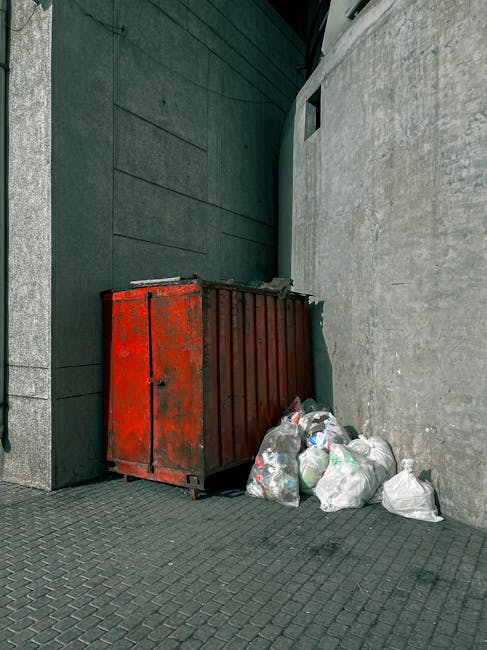
Hidden fees to avoid with Norwood rubbish removal quotes
If you have ever compared rubbish removal quotes and thought, "that seems reasonable", you are not alone. The trouble is that the number on the first quote is not always the number on the final invoice. Hidden fees can creep in through call-out charges, stair carries, waiting time, restricted access, and disposal extras that were never made clear at the start. This guide to Hidden fees to avoid with Norwood rubbish removal quotes will help you spot the awkward bits before they cost you more than they should.
To be fair, most people are not trying to overanalyse a waste quote on a busy Tuesday morning. You just want the job gone, the space cleared, and no nasty surprises. That is exactly why understanding pricing structure matters. Below, you will find the key fee traps, how quotes usually work, what to ask before booking, and a practical checklist you can use right away.
For readers who want to compare pricing in a more structured way, it can also help to review a provider's pricing and quotes information alongside the service details. That way, you are not judging the offer on a single headline figure.
Table of Contents
- Why hidden fees matter in rubbish removal quotes
- How rubbish removal quotes usually work
- Key benefits of checking fees properly
- Who this is for and when it makes sense
- Step-by-step guidance for comparing quotes
- Expert tips for better results
- Common mistakes to avoid
- Tools, resources and recommendations
- Law, compliance, standards, and best practice
- Options, methods, and comparison table
- Case study or real-world example
- Practical checklist
- Conclusion
- Frequently asked questions
Why hidden fees matter in rubbish removal quotes
Hidden fees matter because waste clearance is one of those services where the final price depends on more than just "how much rubbish is there?". The real cost can change based on access, labour, waste type, time on site, and how easy it is to load the material. If that is not explained upfront, you can end up with a quote that looks fair and a bill that does not.
In practice, the biggest issue is not always the price itself. It is the uncertainty. A quote that seems vague makes it hard to compare companies properly. One provider may include labour, loading, disposal, and VAT in one figure. Another may quote a low base price and add separate charges once the team arrives and sees the job in person. That can feel a bit sharp, especially if you are already dealing with a stressful clear-out.
Hidden charges are especially frustrating when you are arranging a clearance for a flat, office, loft, or house where access is awkward. If a company has to carry items down several flights of stairs, park further away than expected, or deal with heavier items than discussed, they may apply extra fees. Sometimes that is legitimate. Sometimes it is just poor quoting. The difference is whether you were told clearly enough to make an informed decision.
This is also why service-specific pages matter. A general rubbish removal job is not the same as a business office clearance, a house clearance, or a builders waste clearance. Each one can have different cost drivers, and each one can hide different extras.
Expert summary: the cheapest quote is not always the best value. The safest quote is the one that clearly states what is included, what might change, and when extra charges can apply.
How rubbish removal quotes usually work
Most rubbish removal quotes are built around a simple idea: the company estimates the amount, type, and difficulty of removing your waste, then prices the job accordingly. Sounds straightforward. In reality, the details can get messy fast.
Some firms quote from photos or a description. Others prefer a site visit. Many use a hybrid approach, where they give an estimate first and confirm the final price once they have seen the load in person. That is normal. What matters is how they communicate the conditions.
A well-structured quote should ideally explain:
- the estimated volume or load size
- what labour is included
- whether loading is part of the price
- whether VAT is included or added later
- any access constraints or parking assumptions
- special handling for restricted, heavy, or hazardous waste
- what happens if the actual load is larger than described
Where hidden fees appear is usually in the fine print or in the gaps between what you said and what the company assumed. A quote may say "from GBPX", but that "from" can do a lot of work. If a provider has not explained the conditions that trigger price changes, you are being asked to accept a moving target.
It helps to remember that disposal costs are only one part of the final figure. Labour, transport, sorting, recycling, and compliant handling all take time and money. A transparent company will explain that plainly rather than hiding it behind a headline rate.
For waste that needs careful handling, the quote should be even more specific. If you are dealing with appliances, for example, look at the rules around fridge and appliance removal. For items with compliance or safety implications, the price needs to reflect the actual service, not a vague guess.
Key benefits and practical advantages
Checking for hidden fees is not just about saving a few pounds, although that is nice. It also gives you more control, better comparisons, and a smoother collection day. And frankly, a calmer one too.
- Clearer budgeting: you know what the job is likely to cost before anyone turns up.
- Better comparison: you can compare like with like, not a misleading low number against a fuller quote.
- Less stress on collection day: no awkward conversations about "unexpected extras".
- Fewer disputes: the scope is clearer, so there is less room for disagreement later.
- Better service fit: a quote that includes the right type of removal is often a sign the company understands your job properly.
A nice side benefit is that this process often helps you think more clearly about what actually needs removing. A lot of people overestimate the quantity a bit, or forget that some items may need separate handling. Once you list everything properly, the quote becomes easier to trust.
There is also a sustainability angle. Companies that price transparently are often clearer about recycling and responsible disposal too. If that matters to you, it is worth looking at their recycling and sustainability approach as part of the decision.
Who this is for and when it makes sense
This topic is relevant to almost anyone booking clearance work, but it is especially useful if you are:
- moving home and clearing bulky leftover items
- sorting out a flat, loft, garage, or shed that has become a bit of a time capsule
- removing office clutter or business waste
- dealing with renovation debris after a small build or DIY project
- disposing of furniture, mattresses, or appliances
- comparing several local clearance providers and want to avoid a bad surprise
It also makes sense if you are trying to decide between a man-and-van style clearance, a skip, or a more specialised removal service. The cheapest option on paper is not always the cheapest once you factor in permits, loading, timing, and labour. A skip might suit some jobs better, but if you are unsure, it helps to review what can go into one by checking what can go in a skip.
Let's face it: most people do not book rubbish removal every week. So if it has been a while, it is easy to miss the small print. This article is designed for the first-time booker, the busy landlord, the office manager, the homeowner, and the person who just wants the old sofa gone before the weekend. All valid. All common.
Step-by-step guidance
If you want to avoid hidden fees, the easiest way is to treat the quote like a checklist rather than a guess. Here is a practical approach that works well.
1. List exactly what needs removing
Be specific. "A few bits" is not enough. Note items such as wardrobes, mattresses, garden waste bags, plasterboard, appliances, or mixed household rubbish. If the job includes bulky furniture, take a look at the service page for furniture disposal or mattress and sofa disposal if those items are involved.
2. Check access honestly
How many floors? Is there a lift? Can the vehicle park close to the entrance? Is there a narrow hallway, low ceiling, or tricky stair turn? A quote can change if access is much harder than described. It is better to mention the awkward bit now than be surprised later.
3. Ask what the price includes
Do not assume loading, labour, disposal, recycling, and VAT are included. Ask directly. A good provider will not mind. In fact, they will usually prefer the question because it keeps everyone on the same page.
4. Ask about extra charges
Find out when the price changes. Common triggers include: extra volume, waiting time, heavy lifting, multiple pickup points, restricted parking, or items that need special handling.
5. Confirm how estimates are measured
Some companies estimate by van load, others by cubic yards, and some by item count. If you do not understand the measuring method, ask them to explain it in plain English. You do not need a lecture. Just the useful bit.
6. Put important terms in writing
Keep screenshots, emails, or booking confirmations. If a verbal promise was made about no hidden fees, get it written down. That tiny habit can save a lot of bother later.
7. Check the business details
Review the company's information pages so you know who you are dealing with. A proper business should make its processes clear, including its about us page, terms and conditions, and details on payment and security.
Expert tips for better results
Here are the things people tend to miss when they are comparing rubbish removal quotes. These are simple, but they matter.
- Take photos in good light: a dark hallway at 7pm can make a small load look like a mountain. Morning light is better, and yes, that sounds oddly specific because it really helps.
- Include awkward items separately: fridges, mattresses, and hazardous materials can be priced differently from general waste.
- Ask for an "all-in" figure: that means the closest thing to a final total, with assumptions made explicit.
- Compare scope, not just price: a lower quote may exclude labour or disposal.
- Be careful with vague wording: terms like "subject to inspection" are normal, but they should be backed up by clear explanation.
- Check whether the provider handles business waste separately: office waste is not the same as a domestic clear-out, and services like business waste removal can be structured differently.
A useful little habit is to read the quote as if you were the person trying to add charges. Where could they argue for more? If you can spot those weak points, you can ask better questions before booking. Slightly cynical, maybe. Very effective, definitely.
Another tip: if a company is transparent, it will usually be equally open about how it handles specialist items, insurance, and safety. For example, you can review pages such as insurance and safety and health and safety policy to understand how seriously they treat the job beyond the price tag.
Common mistakes to avoid
Most hidden-fee problems come from simple assumptions. Here are the biggest ones.
- Assuming the headline price is the final price. Sometimes it is. Sometimes it is not. Ask.
- Forgetting about VAT. Some quotes are shown excluding VAT, which changes the total more than people expect.
- Not mentioning heavy or bulky items. A single item can affect labour time enough to change the quote.
- Ignoring access issues. Tight stairs, limited parking, and long carry distances can all matter.
- Not checking excluded waste types. Hazardous items, confidential material, or certain appliances may need separate arrangements.
- Leaving it until the last minute. Rushed booking often means you accept the first number without proper comparison.
One of the most common slip-ups is saying "it's just a small job" when the items are actually awkward to move. A bulky wardrobe on the third floor is still a bulky wardrobe on the third floor. The stairs do not care that it is only one item.
Also, do not assume every provider is quoting on exactly the same basis. Some firms include more, some less. If the quote sounds too clean and too cheap, that is usually the moment to slow down a little.
Tools, resources and recommendations
You do not need fancy tools to avoid hidden fees. A phone, a camera, and a short checklist are usually enough. That said, a few practical resources make the process smoother.
- Photos or video: give the provider a clear visual of the load and access route.
- Room-by-room notes: useful for house, loft, garage, or flat clearances.
- Measurements: approximate dimensions of bulky items can help avoid guesswork.
- Booking confirmation: keep written evidence of what was agreed.
- Service details: look at relevant pages before booking, such as loft clearance, garage clearance, or flat clearance depending on the job.
If your removal includes garden waste, it is worth checking the specific service page for garden clearance rather than assuming the price will match a normal household collection. Wet soil, branches, and mixed green waste can change the quote more than people think.
And if you need a straightforward route from quote to booking, the site's book online page can be a helpful next step once you know what you are asking for. Simple, really.
Law, compliance, standards, and best practice
Waste removal pricing is not just about customer service; it also touches on compliance, safety, and responsible disposal. Without getting bogged down in legalese, a reliable provider should be able to explain how it handles waste lawfully and safely.
In the UK, businesses dealing with waste need to operate responsibly, and customers should feel comfortable asking how their rubbish will be handled. If a job includes potentially hazardous items, those should be identified in advance. A general rubbish quote should not quietly absorb waste that needs specialist handling. That would be asking for trouble, and not the good kind.
Best practice usually means:
- clear descriptions of what is and is not included
- transparent pricing with no surprise add-ons after the fact
- safe loading and transport methods
- appropriate handling of specialist or hazardous materials
- respect for privacy when dealing with confidential items
If your waste includes papers, records, or business documents, a provider may direct you to confidential shredding. That is not just a nice extra. It is part of proper handling for material that should not simply be mixed into general waste.
For more specialist or higher-risk items, a dedicated page such as hazardous waste disposal helps you understand why the price may be different and why that difference is reasonable. In other words, not every extra charge is a hidden fee. Some are legitimate, but they should be explained clearly.
Options, methods, and comparison table
If you are deciding how to clear waste, it helps to compare the main approaches side by side. The right choice depends on volume, item type, access, and how much time you want to spend managing the job.
| Option | Best for | Possible hidden cost risk | What to check |
|---|---|---|---|
| Rubbish removal quote | General household, commercial, or bulky waste with loading included | Labour, access, VAT, extra volume | What is included, what counts as extra, disposal terms |
| Skip hire | Longer jobs or DIY projects with ongoing waste over time | Permit costs, overfilling, prohibited items | Skip size, permitted waste, parking or permit rules |
| Specialist item disposal | Appliances, mattresses, sofas, or awkward items | Separate handling fees, restricted waste types | Collection method, item-specific pricing, safe handling |
There is no single winner here. A skip may suit a renovation better, while a rubbish removal team may be better for a one-off clear-out. The important thing is to avoid comparing a full service quote against a stripped-back price that leaves out half the job.
If you are unsure whether your waste belongs in a skip, the what can go in a skip page is a sensible reference point before you make the call. It can save time, and a fair amount of head-scratching too.
Case study or real-world example
Here is a simple real-world example. A homeowner in Norwood needs to clear a bedroom, a hallway cabinet, two mattresses, and some general clutter before moving out. They get three quotes. One is very low, one is mid-range, and one is slightly higher but much clearer.
The lowest quote sounds good at first glance. But when the customer asks a few basic questions, it turns out that stair carries, mattress disposal, and parking complications are not fully included. The price could rise once the team arrives. The mid-range quote includes some of those items but only if the load matches the description exactly. The clearer quote explains the assumptions, includes labour, and names the mattress disposal charge upfront. It is not the cheapest, but it is the one with the least uncertainty.
In that situation, the clearer quote often ends up being the better deal. Not because it is necessarily the cheapest line on paper, but because the customer can budget properly and avoid that awkward moment when the total suddenly jumps. You know the one. Nobody enjoys it.
That same logic applies to business clearances too. An office with boxed files, mixed furniture, and a printer or two may need a quote that reflects access, confidentiality, and removal time. A quick glance at office clearance details can help set the right expectation before anyone books.
Practical checklist
Use this checklist before confirming any rubbish removal booking.
- Have I listed every item that needs removing?
- Have I explained access clearly, including stairs, lifts, and parking?
- Do I know whether the quote includes labour, loading, disposal, and VAT?
- Have I asked what counts as an extra charge?
- Have I mentioned any heavy, bulky, fragile, or special items?
- Have I checked whether the waste is domestic, business, specialist, or hazardous?
- Do I have the agreement in writing?
- Have I compared the quote with at least one alternative?
- Have I read the relevant service or policy page if the job is specialised?
- Am I comfortable that the provider has explained the total clearly?
If you can tick most of those off, you are in a far stronger position than the average rushed booker. And honestly, that is usually enough to keep the surprises away.
Conclusion
Hidden fees in rubbish removal quotes are rarely about one dramatic "gotcha". More often, they come from small assumptions: the quote was for less volume, access was harder than expected, VAT was not included, or special items were never discussed. Once you know where the traps are, the whole process becomes much easier to manage.
The main rule is simple: ask specific questions, compare like with like, and make sure the quote is clear enough that you would feel comfortable explaining it to someone else. If a provider can be transparent at the quote stage, that is usually a good sign for the rest of the job too.
Get a free quote today and see how much you can save.
If you want to keep things straightforward, take a moment to review the relevant service page, confirm the scope, and book only when the price makes sense to you. A good clearance should leave you lighter, not irritated. That peaceful feeling when the last item is gone and the room is finally clear? Worth it.
Frequently Asked Questions
What hidden fees should I look for in a rubbish removal quote?
Common ones include VAT, stair carries, long carries from the vehicle, waiting time, access issues, extra volume, and special handling fees for bulky or unusual items.
Is the cheapest rubbish removal quote usually the best choice?
Not always. A very low quote can leave out labour, disposal, or VAT. It is better to compare the full scope of the job, not just the starting price.
Why do rubbish removal quotes change after a site visit?
Quotes can change if the actual load is bigger, harder to access, or includes items not mentioned originally. A site visit usually gives the provider a clearer picture.
Should a rubbish removal quote include VAT?
Ideally, yes, it should be clearly stated either way. If VAT is excluded from the initial quote, the final cost may be higher than you expected.
How can I avoid being charged extra on collection day?
Describe the job fully, share photos, mention access issues, and ask what counts as an extra charge. Written confirmation helps too.
Do bulky items cost more to remove?
Often they do, especially if they need two people, extra time, or careful handling. A sofa, mattress, or wardrobe can cost more than mixed light waste.
Are fridge and appliance removal costs usually different?
Yes, they often are. Appliances may need specific handling, so it is wise to check a dedicated service page like fridge and appliance removal.
What should I ask before booking rubbish removal in Norwood?
Ask what is included, how access affects pricing, whether VAT is included, what items cost extra, and whether the company can confirm the total in writing.
Is skip hire better than rubbish removal for avoiding hidden fees?
It depends on the job. Skip hire can be good for ongoing projects, but it can bring permit or overfilling issues. Rubbish removal can be simpler if loading is included.
Can businesses face different rubbish removal charges from households?
Yes. Office clearances and business waste can be priced differently because of volume, access, confidentiality, and compliance considerations.
Do I need special handling for hazardous waste?
Yes. Hazardous materials should be identified in advance and handled through the right process. A specialist approach is safer and usually priced separately.
What if the quote says "subject to inspection"?
That is common, but it should not be a blank cheque. Ask what the inspection is checking, what might change, and whether they can give a realistic range before arrival.
How do I know if a rubbish removal company is being transparent?
Clear terms, plain English explanations, visible policies, and a willingness to answer questions are good signs. Transparency is usually obvious once you start asking.
Where can I check a company's policies before booking?
Useful pages to review include terms and conditions, payment and security, and complaints procedure.