Crystal Palace rubbish removal tips for park clearance jobs
If you are tackling a park clearance job in Crystal Palace, the rubbish can pile up fast: branches, broken benches, litter, soil, worn-out planters, fly-tipped bags, and the odd mysterious item nobody quite claims. The work sounds simple until you are staring at a half-cleared green space at 4pm, the weather is turning, and everything needs sorting properly. That is where Crystal Palace rubbish removal tips for park clearance jobs really help. A tidy, safe, well-planned clearance saves time, reduces mess, and makes the whole job feel manageable instead of chaotic.
In this guide, you will find practical ways to plan, segregate, load, and dispose of park waste without unnecessary stress. We will also cover common mistakes, compliance basics, and a few real-world tricks that make a bigger difference than you might expect. Truth be told, a good park clearance is usually won or lost in the prep.
Table of Contents
- Why Crystal Palace rubbish removal tips for park clearance jobs matters
- How Crystal Palace rubbish removal tips for park clearance jobs works
- Key benefits and practical advantages
- Who this is for and when it makes sense
- Step-by-step guidance
- Expert tips for better results
- Common mistakes to avoid
- Tools, resources and recommendations
- Law, compliance, standards, or best practice
- Options, methods, or comparison table
- Case study or real-world example
- Practical checklist
- Conclusion
- Frequently asked questions
Why Crystal Palace rubbish removal tips for park clearance jobs Matters
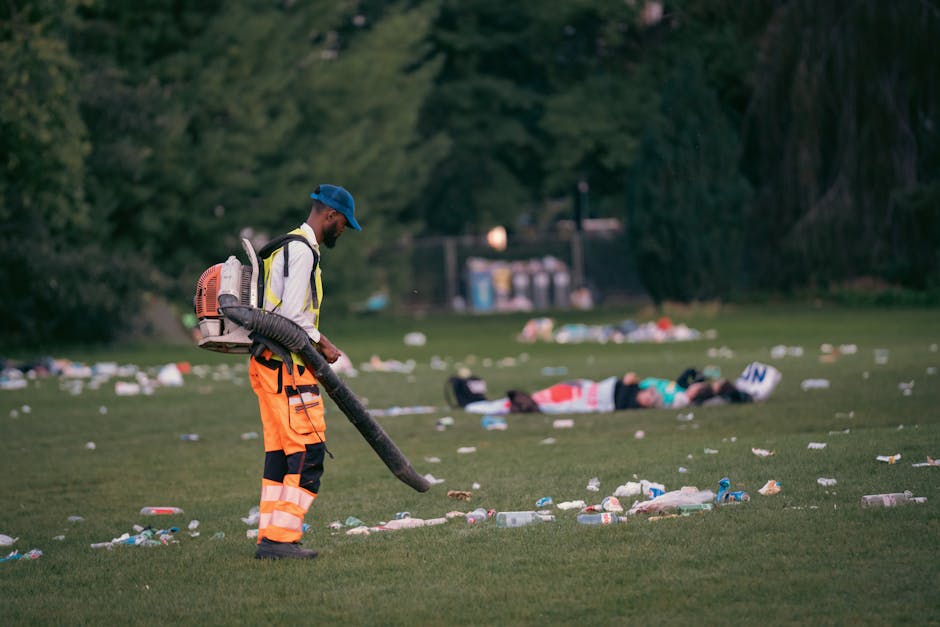
Park clearance is not the same as clearing a back garden or a storage unit. Public spaces tend to collect mixed waste, unpredictable debris, and items that are awkward to move safely. One corner may have leaves and cuttings; another may have timber offcuts, old play equipment, or discarded picnic rubbish. In busy areas like Crystal Palace, there is often also a time pressure element. The space may need to reopen quickly, or the work may need to happen around visitors, dog walkers, and nearby residents.
That is why a little structure goes a long way. Clear sorting, safe lifting, and proper removal methods reduce the chance of missed waste and avoid the dreaded second visit. Nobody wants that. It is also easier to protect nearby planting, pathways, and seating if you know what is being moved and in what order.
A well-run clearance also supports the look and feel of the area. Parks are social spaces. If rubbish is left in heaps, it can make the place feel neglected, even if the work is only halfway done. With the right approach, you keep momentum and keep the site usable. Simple enough, but it makes all the difference.
How Crystal Palace rubbish removal tips for park clearance jobs Works
At its core, park clearance follows a fairly predictable flow: assess the site, separate the waste, load it safely, then remove it in the right way. The detail matters, though. What looks like one pile of rubbish often turns out to be several waste streams hiding together.
For example, a typical park clearance may involve:
- Green waste such as branches, hedge trimmings, grass cuttings, and soil.
- General litter such as wrappers, bottles, bags, and loose debris.
- Bulky waste such as broken furniture, benches, or damaged outdoor fixtures.
- Construction-like waste from path repairs, edging, or maintenance work.
- Potentially hazardous items like sharps, chemicals, or contaminated materials.
The safest method is to walk the site first, mark the obvious problem areas, and decide what should be removed first. Heavy and awkward items should usually come out before smaller loose rubbish. Otherwise you end up treading over debris again and again, which is how little accidents creep in.
If the clearance includes mixed waste, it helps to think in layers. Start with the visible surface rubbish, then move on to hidden material under shrubs, behind walls, or around bins and seating. In my experience, that second sweep catches more than people expect. More than once, you think you are nearly done and then find another bag, a rusted frame, or a pile of broken planters tucked out of sight. Annoying, yes. But normal.
Key Benefits and Practical Advantages
Doing park clearance properly saves time, keeps people safer, and usually costs less in the long run. Here is why the right rubbish removal approach matters so much.
- Less double handling: If waste is sorted as it is collected, you avoid moving the same item twice.
- Safer working conditions: Clear walkways and sensible loading reduce slips, trips, and strains.
- Cleaner end result: A final site check is easier when the waste has been separated from the start.
- Better recycling potential: Green waste, timber, and metal can often be managed more efficiently if they are not mixed with everything else.
- Fewer complaints: Faster, tidier work means less disruption for nearby park users and residents.
Another practical advantage is planning accuracy. Once you know the type and volume of waste, it becomes easier to judge vehicle size, manpower, and turnaround time. That matters whether you are managing the job yourself or arranging a professional collection.
Expert summary: The best park clearances are not the most dramatic ones. They are the ones that look calm from the outside because the team made smart decisions early. Quiet efficiency beats frantic hauling every time.
Who This Is For and When It Makes Sense
These tips are useful for anyone responsible for clearing public or semi-public green spaces in Crystal Palace. That includes grounds teams, facilities managers, landlords with shared outdoor areas, local contractors, caretakers, and community groups helping with a one-off tidy-up. It also suits anyone dealing with a park edge, communal garden, or landscaped area that behaves a bit like a park in practice.
The advice makes sense when you are dealing with one or more of the following:
- storm-damaged branches and leaf fall
- fly-tipped rubbish or dumped household waste
- leftover waste after maintenance work
- broken outdoor furniture or damaged fixtures
- grounds that need a seasonal reset before heavy footfall
It is also relevant if you are trying to compare removal methods. Should you use a skip? A man-and-van style collection? A mixed waste removal service? The answer depends on access, waste type, and how quickly the job needs completing. There is no one-size-fits-all answer, a bit frustrating, but that is usually the honest reality.
If the clearance is part of a wider property project, you might also find it useful to look at garden clearance services or builders waste clearance where the waste has a similar mix of green, bulky, and construction-style materials.
Step-by-Step Guidance
Here is a straightforward way to handle park rubbish removal without losing control of the job halfway through.
- Walk the site first. Look for hazards, access problems, hidden rubbish, and any items that need special handling.
- Sort waste by type. Separate green waste, bulky items, general litter, and anything that may need extra caution.
- Set up a collection point. Choose a place where bags and loose items can be gathered without blocking paths or damaging grass.
- Work from the edge inward. That keeps the cleared area clean and reduces the risk of stepping over already-removed material.
- Load heavy items safely. Use good lifting technique and team lifts where needed. Do not be a hero. Parks have enough surprises already.
- Do a second sweep. Check under benches, around shrubs, behind bins, and near fences for smaller debris.
- Finish with a visual inspection. Make sure no sharps, loose litter, or trip hazards remain.
A useful habit is to work in zones. Mark them mentally, or with cones if appropriate, and complete one section before moving on. This avoids the classic problem where everybody is "nearly finished" but nobody knows where the last heap of waste went. It happens more than people admit.
If the waste load is uncertain, it can help to check what can go in a skip before deciding whether a skip is the right fit. For many mixed park clearances, skip rules influence what is practical and what is not.
Expert Tips for Better Results
These are the small things that make the job smoother.
- Keep green waste separate where possible. Branches, grass, and leaves are usually easier to handle when they are not mixed with general rubbish.
- Protect the ground. If the site is wet, avoid dragging heavy items across turf. You will leave marks that no one wants to explain later.
- Mind access routes. Park clearances often fail not because of the waste, but because the path from A to B is too narrow, muddy, or cluttered.
- Use the right bagging method. Overfilled bags split, and split bags waste time. Properly filled bags are far less dramatic.
- Work earlier in the day when possible. Cooler mornings are often easier for lifting and better for staying organised.
- Plan for the odd bit of contamination. In public spaces, you may find broken glass, disposable cups, food waste, or unknown items tucked into leaf piles.
Another good habit is to keep a small buffer in your plan. If you think the clearance will take two hours, allow for two and a half. That extra margin saves a lot of stress when hidden rubbish appears. And it usually does. Parks are a bit like that, to be fair.
When the job includes larger discarded items, it can be worth comparing removal routes with general waste removal support and furniture disposal options, especially if benches, seating, or damaged outdoor furniture are involved.
Common Mistakes to Avoid
Most clearance headaches come from a handful of avoidable mistakes. Once you know them, they are fairly easy to sidestep.
- Starting without a site walk-through: This is how people miss hidden waste, access issues, or hazards.
- Mixing everything together: Mixed waste is harder to sort, harder to move, and often less efficient to dispose of.
- Underestimating volume: A small-looking pile can spread into several loads once it is bagged and stacked properly.
- Ignoring sharps or contaminated items: Never treat uncertain waste casually. Pause and deal with it correctly.
- Overfilling lifting bags or containers: It saves nothing if the bag tears halfway to the vehicle.
- Forgetting the final tidy: The site may be "cleared" but still look messy if loose debris remains.
One subtle mistake is clearing in the wrong order. If you remove the easy rubbish first and leave the bulky awkward pieces until the end, you can end up with blocked access and wasted effort. Heavy items first is usually the smarter move.
Tools, Resources and Recommendations
You do not need a huge toolkit to manage a good park clearance, but a few basics make life much easier.
| Tool or resource | What it helps with | Best used for |
|---|---|---|
| Heavy-duty sacks | Collecting loose waste safely | Litter, leaves, mixed light debris |
| Gloves and protective footwear | Reducing minor injury risk | General clearing, sharp debris awareness |
| Wheelbarrow or sack trolley | Moving waste across longer distances | Green waste and bulky light items |
| Sorting area or tarpaulin | Keeping waste streams separate | Mixed clearances with multiple waste types |
| Collection or removal service | Fast off-site disposal | Time-sensitive or high-volume jobs |
If the clearance is part of a wider clean-out or maintenance schedule, you may also want to review related pages such as recycling and sustainability guidance and pricing and quotes information so you can plan the job more confidently.
For very mixed jobs, especially where bulky items or indoor-outdoor overlap is involved, the service pages for garage clearance and house clearance can help you think through how different waste streams are handled in practice.
Law, Compliance, Standards, or Best Practice
For park clearance work in the UK, compliance is mostly about handling waste responsibly, protecting people on site, and making sure any contractor you use follows sound waste management practice. The exact legal duties can vary depending on who owns the site, what the waste is, and whether there are hazardous materials involved.
As a rule of thumb, best practice includes:
- identifying hazardous waste before work begins
- keeping waste types separated where practical
- using competent, insured operators for removal work
- avoiding blocked paths, unsafe stacking, and unstable loads
- checking whether specialist handling is needed for items like fridges, chemicals, or contaminated materials
It is also sensible to follow the site owner's own health and safety arrangements. If the clearance happens in or near public access areas, extra care is usually needed around signage, barriers, and pedestrian movement. A quick bit of planning can prevent a lot of awkwardness later.
Where hazardous items are present, do not guess. Use the correct process and, if needed, a service that can handle those materials properly. You can also review the company's hazardous waste disposal information, along with health and safety policy details and insurance and safety guidance to understand the expected standard of work.
Options, Methods, or Comparison Table
Different park clearance jobs call for different approaches. A quick comparison helps when you are deciding what will actually work on the day.
| Method | Best for | Strengths | Limitations |
|---|---|---|---|
| DIY clear-up | Small tidy jobs | Low cost, flexible timing | Time-consuming, more physical effort, disposal still needs planning |
| Skip hire | Bulk waste with enough access space | Simple collection point, good for ongoing work | Space restrictions, loading limits, item restrictions |
| Man-and-van removal | Mixed waste or quicker turnaround | Often faster and more flexible | Depends on van capacity and site access |
| Specialist clearance | Hazardous or complex waste | Safer handling, more suitable for tricky items | May cost more, needs proper scheduling |
For many Crystal Palace park jobs, the real choice is between convenience and control. A skip may suit a controlled maintenance area, while a removal service can be better where access is tighter or the waste is mixed. If you are unsure, comparing the likely waste volume with pricing and quotes can help you decide without overcommitting too early.
Case Study or Real-World Example
Picture a small park corner after a windy weekend in Crystal Palace. There are broken twigs, a couple of bagged litter piles, an old planter, scattered drink cups, and a patch of soggy leaves near a bench. Nothing dramatic, but enough to make the area look tired and slightly neglected.
The most efficient approach would be to:
- remove the bulky planter first so the area opens up
- collect litter from the bench area and footpath edges
- bag leaves and twigs separately
- check under the seating and around the base of shrubs for hidden debris
- finish with a final sweep for small items that the eye misses on the first pass
That kind of job is not glamorous. Let's be honest, it is a bit muddy and your boots will probably tell the story by lunchtime. But it is exactly the sort of work where sensible rubbish removal habits save time and keep the site from looking half-done. A tidy finish matters to people using the park, even if they never think about the process behind it.
If the work grows from a small tidy-up into something larger, it may be useful to compare it with garden clearance or even builders waste clearance if the waste includes edging, timber, or hard landscaping debris.
Practical Checklist
Use this checklist before and during the clearance. It keeps the job grounded and stops easy-to-miss mistakes.
- Have I walked the whole site first?
- Have I identified any sharp, heavy, or hazardous items?
- Are waste types separated as much as possible?
- Is the access route clear for carrying or loading waste?
- Have I planned where the waste will be gathered before removal?
- Are gloves, footwear, and other basic safety kit in place?
- Have I checked whether bulky items need special handling?
- Is there a final sweep planned for small debris and hidden litter?
- Have I considered recycling or reuse before disposal?
- Do I know who to contact if unexpected waste is found?
Quick takeaway: if you can answer yes to most of those points, the clearance is usually on the right track. If not, pause and reset. That little pause often saves an hour later.
Get a free quote today and see how much you can save.
Conclusion
Crystal Palace park clearance jobs work best when rubbish removal is treated as a process, not just a pile to be shifted. Start with a proper walk-through, sort waste early, keep the site safe, and use the right removal method for the type and volume of material. Those basics sound simple, but they are what separate a smooth job from a stressful one.
If you are dealing with mixed waste, bulky items, or anything uncertain, do not rush the decision. A little planning now can protect the site, reduce disruption, and make the end result feel properly finished. And that matters. A clean, clear park has a way of lifting the mood, even on an ordinary grey London day.
For a dependable next step, explore the relevant service information, review the practical guidance on pricing and safety, and choose the option that fits the site rather than forcing the site to fit the method.
Frequently Asked Questions
What is the best way to start a park clearance job in Crystal Palace?
Start with a full site walk-through. Look for waste types, access issues, hidden debris, and anything sharp or bulky before moving a single bag. That first pass usually saves time later.
Should green waste and general rubbish be separated?
Yes, where possible. Keeping branches, leaves, and grass separate from mixed rubbish makes loading easier and can improve disposal efficiency. It also helps you stay more organised on site.
Can I use a skip for park clearance waste?
Sometimes, yes. It depends on access, volume, and what the waste contains. If the load is mixed or the site is tight, another removal method may be more practical. Checking the skip guidance first is a good idea.
What items are commonly missed during park clearance?
Small items are the usual culprits: bottle tops, wrappers, broken glass, bits of wire, and rubbish tucked under benches or hedges. A second sweep catches a surprising amount.
How do I deal with bulky items like benches or broken outdoor furniture?
Remove them early in the job if access allows. Bulky items can block movement and slow everything down. If the item is damaged or awkward, plan for team lifting and safe loading.
What should I do if I find hazardous waste?
Stop and assess it carefully. Do not mix it in with normal waste. Hazardous items need proper handling, so it is best to use a suitable disposal route and follow site safety procedures.
Is park clearance the same as garden clearance?
Not quite. They overlap, especially with green waste, but park clearance usually includes more public-space concerns such as litter, access routes, and mixed items left by visitors. The work tends to be more varied.
How can I make rubbish removal safer for staff?
Use protective gloves and sturdy footwear, avoid overfilled bags, keep paths clear, and lift heavy items properly. If possible, work in pairs for larger items. Simple steps, but they matter.
What is the main mistake people make on clearance jobs?
Trying to clear everything in one go without sorting or planning. That usually creates more work, more mess, and more lifting. A structured approach is much smoother.
Do I need to think about recycling on a park clearance job?
Yes, when it is practical. Green waste, metal, timber, and some bulky items may be handled differently depending on the load. Thinking about recycling early can make the job cleaner and more efficient.
How do I judge whether a job is too big for a DIY clear-up?
If the waste is bulky, mixed, hazardous, or hard to access, it is usually worth getting help. If the job would take all day, needs multiple trips, or involves uncertain items, professional removal is often the sensible call.
What should I look for in a rubbish removal provider?
Look for clear pricing, sensible safety practices, and a straightforward approach to waste handling. It also helps if they explain how different waste types are managed, rather than just giving a vague yes to everything.
If you are planning a park clearance in Crystal Palace and want the job handled with less hassle, review the available service details, compare your options carefully, and choose the approach that keeps the site safe, tidy, and manageable. A good clearance is rarely about speed alone; it is about doing the small things properly, and that has a way of paying off.